Trang chủ
Nguyên tắc kế toán tiền trong doanh nghiệp?
Bài viết này đề cập đến nội dung pháp lý liên quan đến nguyên tắc kế toán tiền trong doanh nghiệp và các tài khoản kế toán tiền của doanh nghiệp bao gồm: Tài khoản tiền mặt, tài khoản tiền gửi ngân hàng, tài khoản tiền đang chuyển, tài khoản chứng khoán kinh doanh, và tài khoản nắm giữ đến ngày đáo hạn sẽ được làm rõ trong bài viết này dùng vào mục đích tham khảo.
1. Nguyên tắc kế toán tiền trong doanh nghiệp?
Nguyên tắc kế toán tiền trong doanh nghiệp được quy định tại Điều 11 Thông tư số: 200/2014/TT-BTC như sau:
Kế toán phải mở sổ kế toán và ghi chép hàng ngày liên tục theo thứ tự phát sinh của các khoản thu, chi, xuất, nhập tiền và ngoại tệ, cũng như tính toán số dư tại quỹ và từng tài khoản ở Ngân hàng tại mọi thời điểm để thuận tiện cho việc kiểm tra, đối chiếu.
Các khoản tiền do doanh nghiệp khác hoặc cá nhân ký cược, ký quỹ tại doanh nghiệp được quản lý và hạch toán như tiền của doanh nghiệp.
Khi thực hiện thu, chi, phải lập phiếu thu, phiếu chi và đảm bảo có đủ chữ ký theo quy định của chế độ chứng từ kế toán.
Kế toán phải theo dõi chi tiết tiền theo nguyên tệ. Khi phát sinh giao dịch bằng ngoại tệ, kế toán phải quy đổi ngoại tệ sang Đồng Việt Nam theo nguyên tắc:
Bên Nợ của các tài khoản tiền áp dụng tỷ giá giao dịch thực tế;
Bên Có của các tài khoản tiền áp dụng tỷ giá ghi sổ bình quân gia quyền.
Tại thời điểm lập Báo cáo tài chính theo quy định của pháp luật, doanh nghiệp phải đánh giá lại số dư ngoại tệ và vàng tiền tệ theo tỷ giá giao dịch thực tế.
[EN]
The principles of accounting for cash in enterprises are stipulated in Article 11 of Circular 200/2014/TT-BTC as follows:
Accountants must maintain accounting books and record daily transactions continuously in the order they occur, including cash inflows, outflows, receipts, and payments in both cash and foreign currencies. They must also calculate the balances in the cash fund and in each bank account at any given time to facilitate checks and reconciliations.
Funds deposited by other enterprises or individuals as deposits or guarantees at the enterprise are managed and accounted for as the enterprise’s own funds.
When making payments or receiving funds, payment receipts and vouchers must be issued and must contain all required signatures as per the regulations on accounting documents.
Accountants must track detailed cash flow according to the original currency. When transactions occur in foreign currencies, these must be converted into Vietnamese Dong according to the following principles:
+ Debit side of cash accounts: Apply the actual transaction exchange rate;
+ Credit side of cash accounts: Apply the weighted average exchange rate recorded in the books.
2. Các tài khoản kế toán tiền?
2.1. Tài khoản kế toán tiền mặt – 111
Quy định tại Điều 12, Thông tư số: 200/2014/TT-BTC ngày 22 tháng 12 năm 2014, Tài khoản này được sử dụng để phản ánh tình hình thu, chi và số dư tiền mặt tại quỹ của doanh nghiệp, bao gồm: Tiền Việt Nam và ngoại tệ. Chỉ ghi nhận vào TK 111 “Tiền mặt” số tiền Việt Nam và ngoại tệ thực tế nhập, xuất và tồn quỹ.
Khi thực hiện việc nhập, xuất quỹ tiền mặt, cần có phiếu thu, phiếu chi và đảm bảo có đủ chữ ký của người nhận, người giao, và người có thẩm quyền cho phép nhập, xuất quỹ,… theo quy định về chứng từ kế toán. Trong một số trường hợp đặc biệt, cần có lệnh nhập quỹ, xuất quỹ kèm theo.
Kế toán quỹ tiền mặt có trách nhiệm mở sổ kế toán quỹ tiền mặt và ghi chép hàng ngày liên tục theo thứ tự phát sinh của các khoản thu, chi, nhập, xuất quỹ tiền mặt, đồng thời tính toán số tồn quỹ tại mọi thời điểm.
As stipulated in Article 12 of Circular No. 200/2014/TT-BTC dated December 22, 2014, this account is used to reflect the cash inflows, outflows, and balances of the enterprise’s cash fund, including both Vietnamese Dong and foreign currencies. Only the actual amounts of Vietnamese Dong and foreign currencies received, disbursed, or remaining in the cash fund are recorded in Account 111 “Cash.”
When receiving or disbursing cash from the fund, a receipt or payment voucher must be issued, with the signatures of the recipient, the issuer, and the authorized person who approves the transaction, in accordance with regulations on accounting documents. In certain special cases, an additional cash receipt or disbursement order may be required.
The cash accountant is responsible for maintaining a cash fund ledger and recording all cash inflows, outflows, receipts, and payments daily and in the order they occur, while also calculating the cash fund balance at any given time.
The treasurer is responsible for managing and handling the cash fund. The treasurer must conduct a daily inventory of the actual cash balance, comparing the figures between the cash fund ledger and the cash accounting ledger. In case of discrepancies, the accountant and treasurer must jointly verify to determine the cause and propose corrective measures for any discrepancies.
2.2. Tài khoản kế toán tiền gửi ngân hàng – 112
As stipulated in Article 13 of Circular No. 200/2014/TT-BTC dated December 22, 2014, this account is used to reflect the current balance and the fluctuations of demand deposits at the bank held by the enterprise. The accounting entries for Account 112 “Bank Deposits” are based on credit and debit notices or bank statements accompanied by original documents (such as payment orders, collection orders, transfer checks, certified checks, etc.).
Upon receiving documents from the bank, the accountant must verify and reconcile them with the original documents attached. If discrepancies are found between the figures in the enterprise’s accounting records, the original documents, and the bank documents, the enterprise must notify the bank for joint verification and timely resolution. At the end of the month, if the cause of the discrepancy has not been determined, the accountant will record the figures according to the bank’s debit or credit notices or statements. The discrepancy (if any) will be recorded on the debit side of Account 138 “Other Receivables” (1388) (if the accounting records show a higher amount than the bank) or the credit side of Account 338 “Other Payables” (3388) (if the accounting records show a lower amount than the bank). In the following month, the accountant must continue to verify, reconcile, and determine the cause to adjust the accounting records accordingly.
For enterprises with dependent organizations or units that do not have separate accounting systems, specialized collection or disbursement accounts, or appropriate payment accounts, can be opened for convenient transactions and payments. The accountant should maintain detailed records for each type of deposit (Vietnamese Dong, various foreign currencies).
Detailed accounting for bank deposits should be organized by individual accounts at the bank to facilitate verification and reconciliation. Bank overdrafts should not be recorded as negative balances in the bank deposit account but should be treated as a bank loan.
When transactions involving foreign currency occur, the accountant must convert the foreign currency into Vietnamese Dong according to the following principles:
The debit side of Account 1122 applies the actual transaction exchange rate. In cases where foreign currency cash is withdrawn and deposited into the bank, the conversion to Vietnamese Dong should use the exchange rate recorded in the accounting ledger for Account 1112.
The determination of the actual transaction exchange rate is carried out according to the guidelines provided in Account 413 – “Foreign Exchange Differences” and related accounts.
Monetary gold reflected in this account is gold used as a store of value and does not include gold classified as inventory intended for use as raw materials in production or goods for sale. The management and use of monetary gold must comply with current legal regulations.
At every point when the financial statements are prepared as required by law, the enterprise must re-evaluate the balances of foreign currency and monetary gold according to the following principles:
The actual transaction exchange rate applied to re-evaluate the balance of foreign currency deposits is the buying rate of the commercial bank where the enterprise holds the foreign currency account at the time of preparing the financial statements. If the enterprise has multiple foreign currency accounts in different banks and the buying rates of these banks do not significantly differ, the enterprise may choose the buying rate of one of the banks where it holds a foreign currency account as the basis for re-evaluation.
2.3. Tài khoản kế toán tiền đang chuyển – 113
Quy định tại Điều 14, Thông tư số: 200/2014/TT-BTC ngày 22 tháng 12 năm 2014, Tài khoản này được sử dụng để phản ánh các khoản tiền mà doanh nghiệp đã nộp vào Ngân hàng, Kho bạc Nhà nước, đã gửi qua bưu điện để chuyển cho Ngân hàng nhưng chưa nhận được giấy báo Có, hoặc đã trả cho doanh nghiệp khác và đã làm thủ tục chuyển tiền từ tài khoản tại Ngân hàng để trả cho doanh nghiệp khác nhưng chưa nhận được giấy báo Nợ hoặc bản sao kê từ Ngân hàng.
Tiền đang chuyển bao gồm tiền Việt Nam và ngoại tệ trong các trường hợp sau:
Thu tiền mặt hoặc séc và nộp trực tiếp vào Ngân hàng;
Chuyển tiền qua bưu điện để trả cho doanh nghiệp khác;
Thu tiền bán hàng và chuyển trực tiếp vào Kho bạc để nộp thuế (giao tiền ba bên giữa doanh nghiệp, người mua hàng và Kho bạc Nhà nước).
[EN]
As stipulated in Article 14 of Circular No. 200/2014/TT-BTC dated December 22, 2014, this account is used to reflect the amounts of money that the enterprise has deposited into the bank or State Treasury, sent through the mail for transfer to the bank but has not yet received a credit notice, or paid to another enterprise and has completed the transfer procedure from its bank account to pay another enterprise but has not yet received a debit notice or bank statement.
The money in transit includes both Vietnamese Dong and foreign currencies in the following cases:
Receiving cash or checks and depositing them directly into the bank;
Transferring money via mail to another enterprise;
Collecting sales revenue and depositing it directly into the State Treasury to pay taxes (three-party cash transfer between the enterprise, the buyer, and the State Treasury).

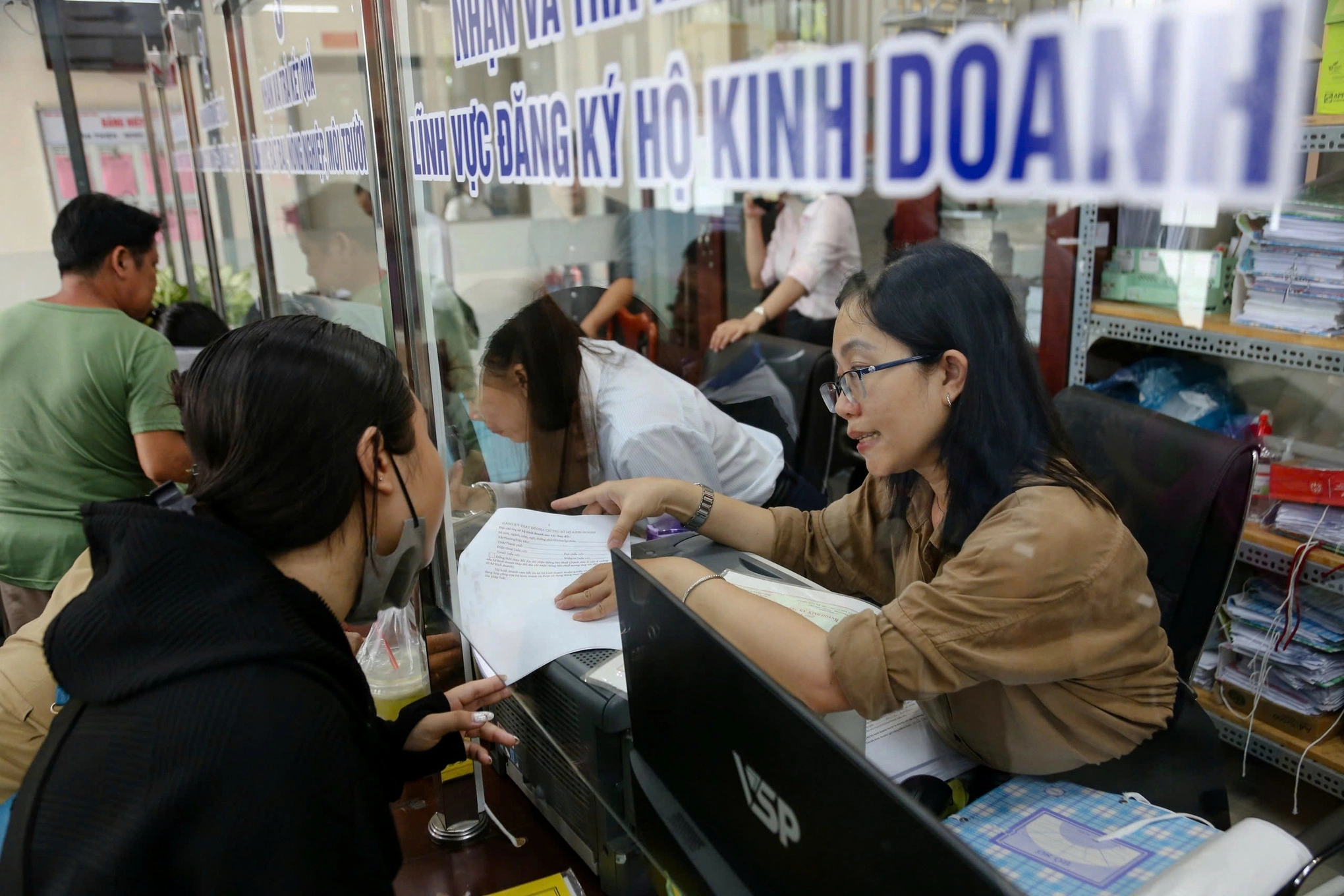
Ảnh minh hoạ
2.4. Tài khoản chứng khoán kinh doanh – 121
Quy định tại Điều 15, Thông tư số: 200/2014/TT-BTC ngày 22 tháng 12 năm 2014, Tài khoản này dùng để ghi nhận tình hình mua, bán và thanh toán các loại chứng khoán theo quy định của pháp luật, được nắm giữ với mục đích kinh doanh (bao gồm cả chứng khoán có thời gian đáo hạn trên 12 tháng được mua vào, bán ra để kiếm lời). Chứng khoán kinh doanh bao gồm:
Cổ phiếu, trái phiếu được niêm yết trên thị trường chứng khoán;
Các loại chứng khoán và công cụ tài chính khác.
Tài khoản này không ghi nhận các khoản đầu tư giữ đến ngày đáo hạn, như: Các khoản cho vay theo khế ước giữa hai bên, tiền gửi ngân hàng, trái phiếu, thương phiếu, tín phiếu, kỳ phiếu,… được giữ đến ngày đáo hạn.
Chứng khoán kinh doanh phải được ghi nhận vào sổ kế toán theo giá gốc, bao gồm: Giá mua cộng với (+) các chi phí mua (nếu có) như chi phí môi giới, giao dịch, cung cấp thông tin, thuế, lệ phí và phí ngân hàng. Giá gốc của chứng khoán kinh doanh được xác định theo giá trị hợp lý của các khoản thanh toán tại thời điểm phát sinh giao dịch. Thời điểm ghi nhận chứng khoán kinh doanh là khi nhà đầu tư có quyền sở hữu, cụ thể như sau:
Chứng khoán niêm yết được ghi nhận tại thời điểm khớp lệnh (T+0);
Chứng khoán chưa niêm yết được ghi nhận tại thời điểm chính thức có quyền sở hữu theo quy định của pháp luật.
Cuối kỳ kế toán, nếu giá trị thị trường của chứng khoán kinh doanh giảm thấp hơn giá gốc, kế toán sẽ lập dự phòng giảm giá.
Doanh nghiệp phải ghi nhận đầy đủ và kịp thời các khoản thu nhập từ hoạt động đầu tư chứng khoán kinh doanh. Cổ tức được chia cho giai đoạn trước ngày đầu tư được ghi giảm giá trị khoản đầu tư. Khi nhà đầu tư nhận thêm cổ phiếu mà không phải trả tiền do công ty cổ phần sử dụng thặng dư vốn cổ phần, các quỹ thuộc vốn chủ sở hữu và lợi nhuận sau thuế chưa phân phối (chia cổ tức bằng cổ phiếu) để phát hành thêm cổ phiếu, nhà đầu tư chỉ cần theo dõi số lượng cổ phiếu tăng thêm trong phần thuyết minh Báo cáo tài chính mà không ghi nhận giá trị cổ phiếu được nhận, không ghi nhận doanh thu hoạt động tài chính và không tăng giá trị khoản đầu tư vào công ty cổ phần.
Riêng đối với các doanh nghiệp do Nhà nước nắm giữ 100% vốn điều lệ, việc kế toán khoản cổ tức được chia bằng cổ phiếu phải thực hiện theo các quy định pháp luật áp dụng cho loại hình doanh nghiệp này.
Đối với cổ phiếu chưa niêm yết giao dịch trên sàn UPCOM, giá trị hợp lý là giá đóng cửa trên sàn UPCOM tại ngày trao đổi. Nếu ngày trao đổi sàn UPCOM không giao dịch, giá trị hợp lý là giá đóng cửa phiên giao dịch gần nhất trước ngày trao đổi.
Đối với cổ phiếu chưa niêm yết khác, giá trị hợp lý của cổ phiếu là giá do các bên thỏa thuận theo hợp đồng hoặc giá trị sổ sách tại thời điểm trao đổi.
Kế toán cần mở sổ chi tiết để theo dõi chi tiết từng loại chứng khoán kinh doanh mà doanh nghiệp đang nắm giữ (theo từng loại chứng khoán, từng đối tượng, mệnh giá, giá mua thực tế, từng loại nguyên tệ sử dụng để đầu tư…).
Khi thanh lý hoặc nhượng bán chứng khoán kinh doanh (tính theo từng loại chứng khoán), giá vốn được xác định theo phương pháp bình quân gia quyền di động (bình quân gia quyền theo từng lần mua).
According to Article 15 of Circular No. 200/2014/TT-BTC dated December 22, 2014, this account is used to record the purchase, sale, and settlement of securities held for business purposes in accordance with the law, including those with a maturity period of over 12 months bought and sold for profit. Business securities include:
Stocks and bonds listed on the securities market;
This account does not record investments held until maturity, such as loans under agreements between two parties, bank deposits, bonds, promissory notes, bills, and other investments held until maturity.
Business securities must be recorded in the accounting books at cost, including: the purchase price plus (+) any associated acquisition costs (if any) such as brokerage fees, transaction fees, information fees, taxes, levies, and bank charges. The cost of business securities is determined based on the fair value of the payments at the transaction date. The recognition of business securities occurs when the investor acquires ownership, as follows:
Listed securities are recognized at the time of order matching (T+0);
At the end of the accounting period, if the market value of business securities falls below cost, an impairment provision must be made.The enterprise must fully and timely recognize income from business securities investments. Dividends distributed for the period before the investment date are deducted from the investment value. When the investor receives additional shares at no cost due to the company issuing shares using surplus capital, equity funds, and undistributed after-tax profits (dividend shares), the investor only needs to track the increase in the number of shares in the financial statement notes without recognizing the value of the received shares, financial income, or increasing the investment value in the company.For enterprises wholly owned by the State, the accounting for dividends distributed as shares must comply with legal regulations applicable to such enterprises.In all cases of stock swaps, the value of the shares must be determined based on the fair value at the date of exchange. The fair value of the shares is determined as follows:For listed company shares, the fair value is the closing price listed on the securities market at the date of exchange. If the market is not trading on the exchange date, the fair value is the closing price of the nearest trading session before the exchange date.
Accounting must maintain detailed records for each type of business securities held by the enterprise (by type of security, each entity, face value, actual purchase price, and each currency used for investment…).
When liquidating or selling business securities (by type of security), the cost is determined using the moving weighted average method (weighted average for each purchase).
2.5. Tài khoản đầu tư nắm giữ đến ngày đáo hạn – 128
Quy định tại Điều 16, Thông tư số: 200/2014/TT-BTC ngày 22 tháng 12 năm 2014, Tài khoản này dùng để ghi nhận số dư hiện có và tình hình biến động tăng, giảm của các khoản đầu tư được giữ đến ngày đáo hạn (ngoài các khoản chứng khoán kinh doanh) như: Các khoản tiền gửi ngân hàng có kỳ hạn (bao gồm cả các loại tín phiếu, kỳ phiếu), trái phiếu, cổ phiếu ưu đãi mà bên phát hành bắt buộc phải mua lại vào một thời điểm nhất định trong tương lai, và các khoản cho vay được giữ đến ngày đáo hạn với mục đích thu lãi định kỳ, cùng các khoản đầu tư khác giữ đến ngày đáo hạn.
Tài khoản này không ghi nhận các loại trái phiếu và công cụ nợ được giữ nhằm mục đích mua bán để kiếm lời (được phản ánh trong tài khoản 121 – Chứng khoán kinh doanh).
Kế toán cần mở sổ chi tiết để theo dõi từng khoản đầu tư giữ đến ngày đáo hạn, phân loại theo từng kỳ hạn, từng đối tượng, từng loại nguyên tệ, từng số lượng… Khi lập Báo cáo tài chính, kế toán dựa trên kỳ hạn còn lại (dưới 12 tháng hoặc từ 12 tháng trở lên kể từ thời điểm báo cáo) để trình bày là tài sản ngắn hạn hoặc dài hạn.
Doanh nghiệp phải ghi nhận đầy đủ và kịp thời doanh thu từ hoạt động tài chính phát sinh từ các khoản đầu tư như lãi tiền gửi, lãi cho vay, và lãi, lỗ khi thanh lý hoặc nhượng bán các khoản đầu tư giữ đến ngày đáo hạn.
Đối với các khoản đầu tư giữ đến ngày đáo hạn, nếu chưa được lập dự phòng phải thu khó đòi theo quy định pháp luật, kế toán phải đánh giá khả năng thu hồi. Trường hợp có bằng chứng rõ ràng cho thấy một phần hoặc toàn bộ khoản đầu tư có thể không thu hồi được, kế toán phải ghi nhận số tổn thất vào chi phí tài chính trong kỳ. Nếu số tổn thất không thể xác định một cách đáng tin cậy, kế toán có thể không ghi giảm khoản đầu tư nhưng phải thuyết minh trên Báo cáo tài chính về khả năng thu hồi của khoản đầu tư.
Tại thời điểm lập Báo cáo tài chính, kế toán phải đánh giá lại tất cả các khoản đầu tư được phân loại là các khoản mục tiền tệ có gốc ngoại tệ theo tỷ giá giao dịch thực tế cuối kỳ:
Tỷ giá áp dụng cho các khoản tiền gửi bằng ngoại tệ là tỷ giá mua của ngân hàng nơi doanh nghiệp mở tài khoản tiền gửi;
Tỷ giá áp dụng cho các khoản đầu tư giữ đến ngày đáo hạn khác là tỷ giá mua của ngân hàng mà doanh nghiệp thường xuyên có giao dịch (do doanh nghiệp tự lựa chọn).
Lưu ý:
Chế độ kế toán của doanh nghiệp nhỏ và vừa áp dụng theo Thông tư số: 133/2016/TT-BTC ngày 26 tháng 8 năm 2016.
[EN]
According to Article 16 of Circular No. 200/2014/TT-BTC dated December 22, 2014, this account is used to record the current balance and the fluctuations in the increase or decrease of investments held until maturity (excluding business securities), such as term bank deposits (including types like promissory notes and certificates of deposit), bonds, redeemable preferred shares, and loans held until maturity for periodic interest collection, as well as other investments held until maturity.
This account does not record bonds and debt instruments held for trading purposes (these are reflected in account 121 – Trading Securities).
Accountants need to maintain detailed records for each investment held until maturity, categorized by term, type, currency, and quantity. When preparing financial statements, accountants should classify investments based on their remaining term (less than 12 months or 12 months and above from the reporting date) as either current or non-current assets.
The company must record all financial income arising from investments, such as interest on deposits, interest on loans, and gains or losses from the liquidation or sale of investments held until maturity.
For investments held until maturity, if no provision for doubtful debts has been made in accordance with legal regulations, accountants must assess the recoverability. If there is clear evidence that part or all of the investment may not be recoverable, the accountant must recognize the loss as financial expense in the period. If the loss cannot be reliably determined, the accountant may not write down the investment but must disclose the recoverability of the investment in the financial statements.
At the time of preparing financial statements, accountants must re-evaluate all investments classified as foreign currency monetary items at the actual transaction rate at the end of the period:
The exchange rate for foreign currency deposits is the purchase rate from the bank where the company holds the deposit account.
The exchange rate for other investments held until maturity is the purchase rate from the bank with which the company frequently transacts (as chosen by the company).
Note:
The accounting regime for small and medium-sized enterprises is governed by Circular No. 133/2016/TT-BTC dated August 26, 2016.
TUYET NHUNG LAW cung cấp đội ngũ Luật sư chuyên nghiệp và giàu kinh nghiệm xử lý các vụ án trên thực tế trong lĩnh vực Thuế. Liên hệ tư vấn vui lòng liên hệ đến số điện thoại: 0975.982.169 hoặc gửi nội dung yêu cầu qua email: lienhe@tuyetnhunglaw.vn để được hỗ trợ.